Archive for February, 2012
How to Take Better Pictures With Your Camera Phone: Get Close
When, as a kid, I wanted to learn about photography, I’d go to the library. (For my younger readers, that’s a big building which, at one time, had books in it rather than dozens of people sitting at computers updating their Facebook statuses.) At that time, photography books fit pretty well into two categories:
- Books with beautiful photos and no information at all about how to take them
- Books filled with pages upon pages of information on developing your prints and using equipment that I wouldn’t get my hands on for another 15 years.
There wasn’t much in the way of instruction about how to take a consumer-level camera and just take better pictures. That’s why, when I found it, the work of Nick Kelsh was such a revelation. In his book How to Photograph Your Family, he broke photography down into three simple rules:
- Get close
- Take more photos
- Turn off your flash
This was instruction I could work with. Later on I’ll look at points two and three, but in this post I’d like to explore the effect that getting close will have on your photos.
How getting close improves your photography
I have to start by saying that any “rule” of photography has probably been broken at least a thousand times to amazing effect, so when I make a photographic suggestion, just translate that as, “This will probably work well a good bit of the time, except when it doesn’t.”
Getting close allows your viewer to focus on your subject and eliminates distracting elements from your photo. Here’s a picture I took of my Mom’s (mean) cat, Kitty:
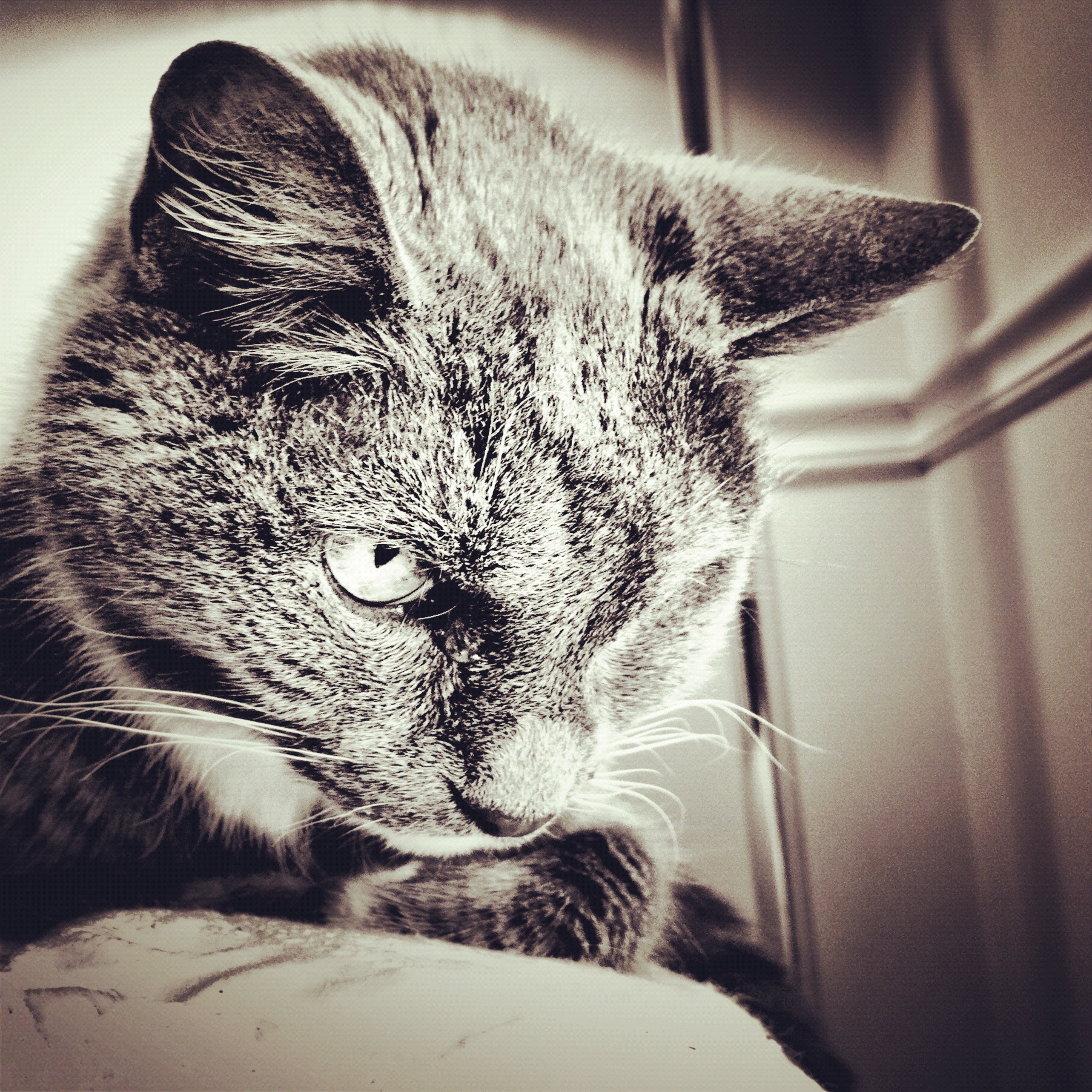
Kitty was sitting on a couch with a print pattern and a blanket thrown over its back, next to a floor lamp. While I was grateful for the light the lamp provided, neither it, nor the couch, nor the blanket, added anything to the image I wanted to capture. As such, I got (dangerously) close to Kitty and took this shot. The distracting elements are (almost) gone. (I still kind of hate that the lamp’s stand is in the background.) The focus is on the cat, where I wanted it.
If you’re taking a photo of your children, what is important to you? Is it the place they’re sitting, the pants they’re wearing, or is it their faces? Some of the most beautiful children’s portraits I’ve ever seen were of nothing but the child’s eyes.
This isn’t just true for portraits, though. By making your subject the star of your photo you help direct your viewer’s attention to what you want them to see. Click here to read more.

How to Take Better Pictures With Your Camera Phone: Get Close
When, as a kid, I wanted to learn about photography, I’d go to the library. (For my younger readers, that’s a big building which, at one time, had books in it rather than dozens of people sitting at computers updating their Facebook statuses.) At that time, photography books fit pretty well into two categories:
- Books with beautiful photos and no information at all about how to take them
- Books filled with pages upon pages of information on developing your prints and using equipment that I wouldn’t get my hands on for another 15 years.
There wasn’t much in the way of instruction about how to take a consumer-level camera and just take better pictures. That’s why, when I found it, the work of Nick Kelsh was such a revelation. In his book How to Photograph Your Family, he broke photography down into three simple rules:
- Get close
- Take more photos
- Turn off your flash
This was instruction I could work with. Later on I’ll look at points two and three, but in this post I’d like to explore the effect that getting close will have on your photos.
How getting close improves your photography
I have to start by saying that any “rule” of photography has probably been broken at least a thousand times to amazing effect, so when I make a photographic suggestion, just translate that as, “This will probably work well a good bit of the time, except when it doesn’t.”
Getting close allows your viewer to focus on your subject and eliminates distracting elements from your photo. Here’s a picture I took of my Mom’s (mean) cat, Kitty:
Kitty was sitting on a couch with a print pattern and a blanket thrown over its back, next to a floor lamp. While I was grateful for the light the lamp provided, neither it, nor the couch, nor the blanket, added anything to the image I wanted to capture. As such, I got (dangerously) close to Kitty and took this shot. The distracting elements are (almost) gone. (I still kind of hate that the lamp’s stand is in the background.) The focus is on the cat, where I wanted it.
If you’re taking a photo of your children, what is important to you? Is it the place they’re sitting, the pants they’re wearing, or is it their faces? Some of the most beautiful children’s portraits I’ve ever seen were of nothing but the child’s eyes.
This isn’t just true for portraits, though. By making your subject the star of your photo you help direct your viewer’s attention to what you want them to see. Click here to read more.
Senior Photos: Anna
It’s a lot of fun when our photographic and non-photographic interests come together in a single shoot. That’s why I keep writing to Krispy Kreme offering my services. And while they have yet to return my calls, we did have the opportunity to photograph Anna’s senior portraits in December. See, Anna is a dancer as is my lovely wife Wendy. She studied classical ballet for many years and, if you’ve met her, you’ve probably noticed her grace and poise while wondering how she wound up with a guy who clearly likes Krispy Kreme doughnuts as much as I do.
Anna, though, has the grace of a dancer and, like Wendy, pairs it with beauty and a sweet spirit. We think it comes through in her photos which we took at Columbia’s 701 Whaley.
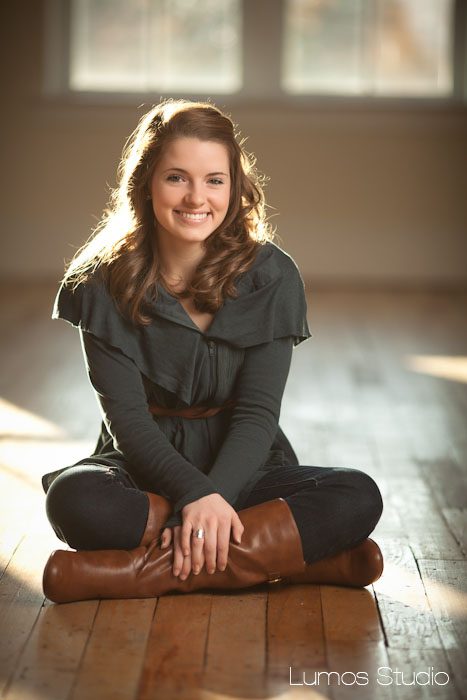
 After taking some more traditional senior shots, Anna changed clothes and showed us some of her moves.
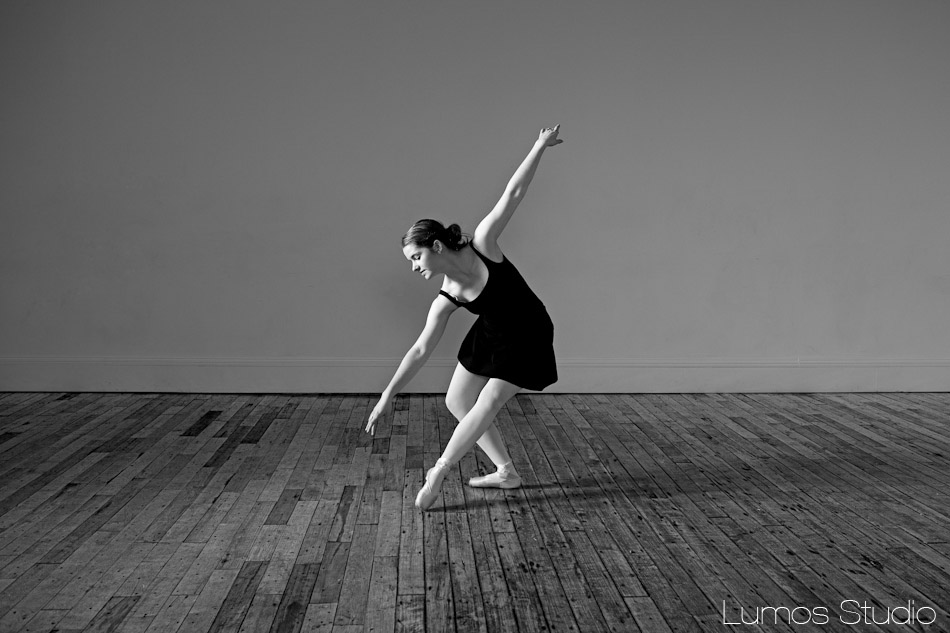
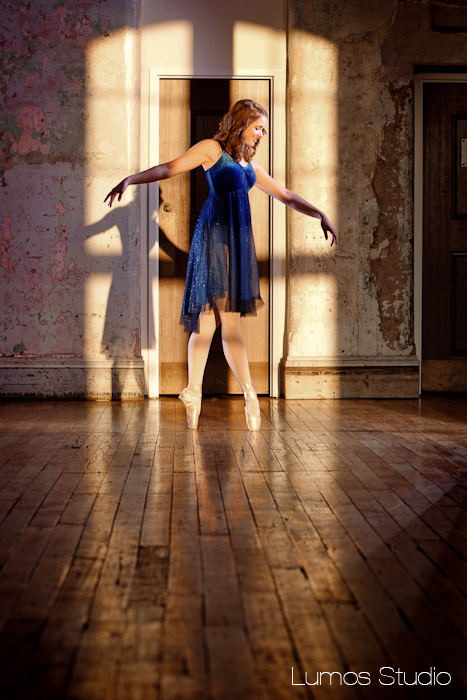
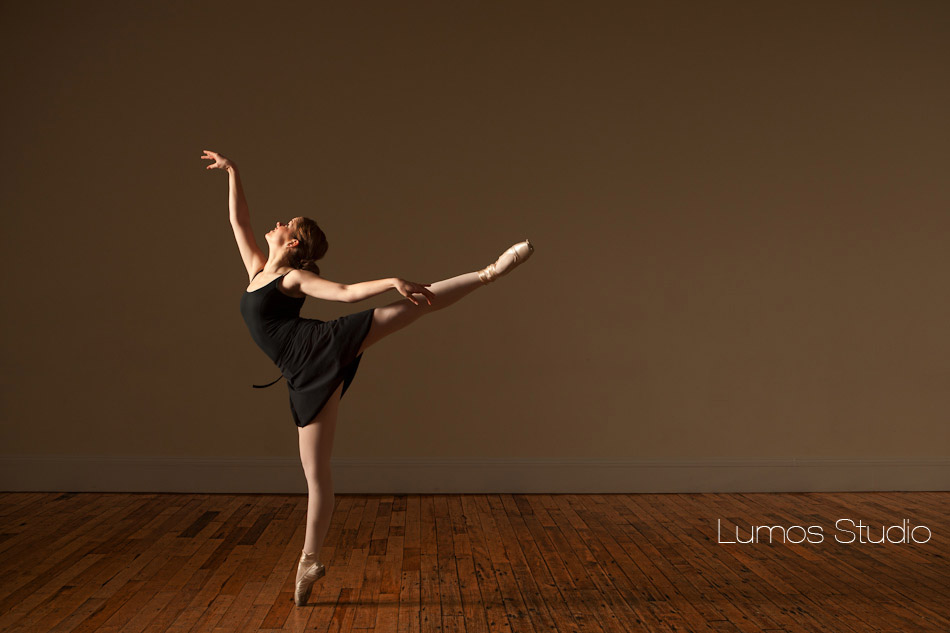
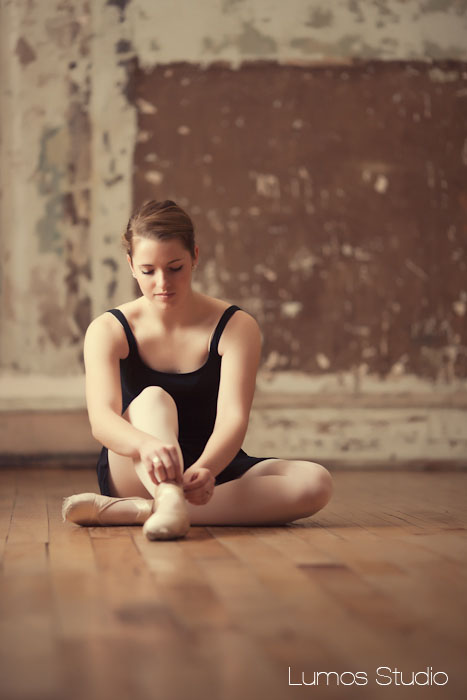
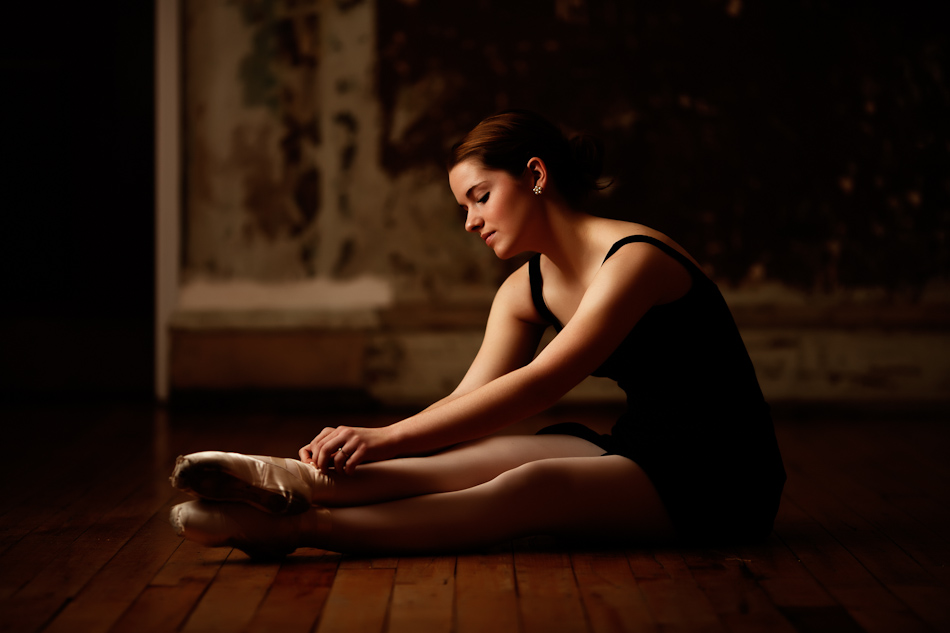
It’s fun telling someone “Jump!” over and over again while clicking a shutter button.
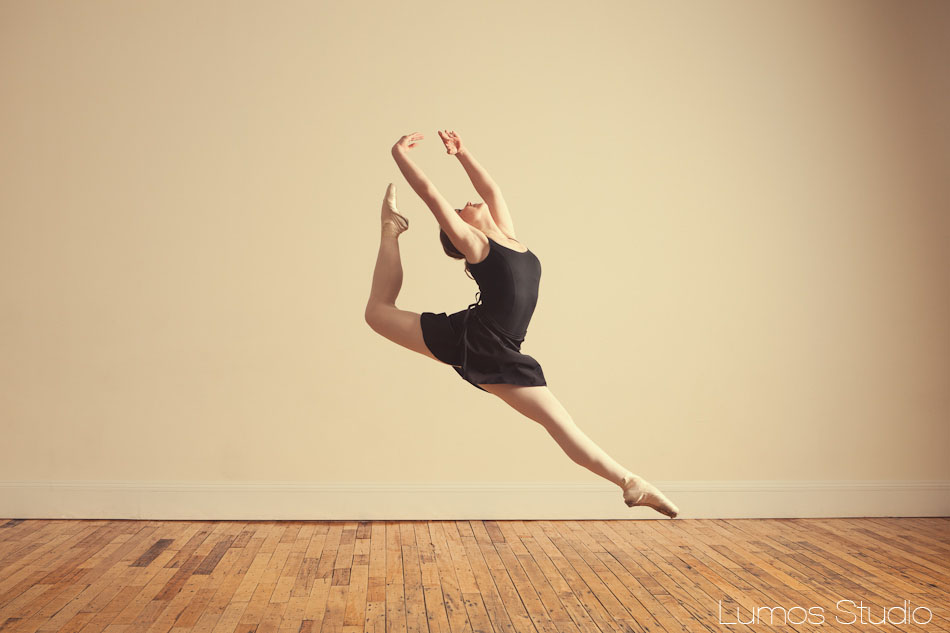
If you enjoyed these, feel free to check out some more senior photos or, if you’d like to book a session, senior or otherwise, drop us a line.

Ken + Megan: Engagement Session
Ooh, I’m having to rush to get my blog post in for the week!
Since I’m short on time, I’m also going to be short on words so I can get to the Professional Photographers of South Carolina convention on time! But let’s face it, what do I have to say that can compare with seeing two people wonderfully in love?
Here are Ken and Megan, two such people:
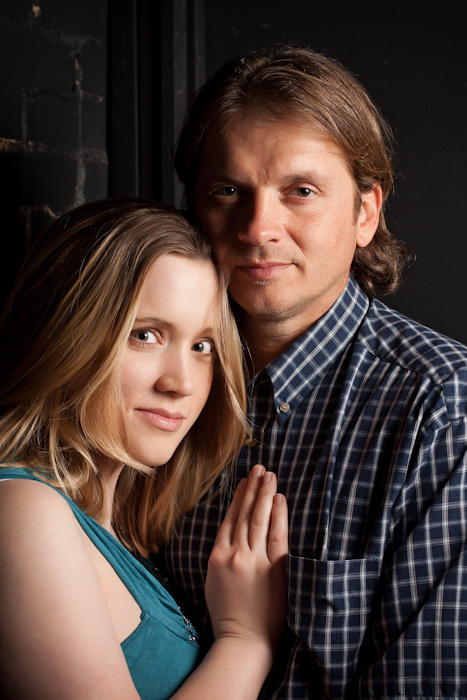
 
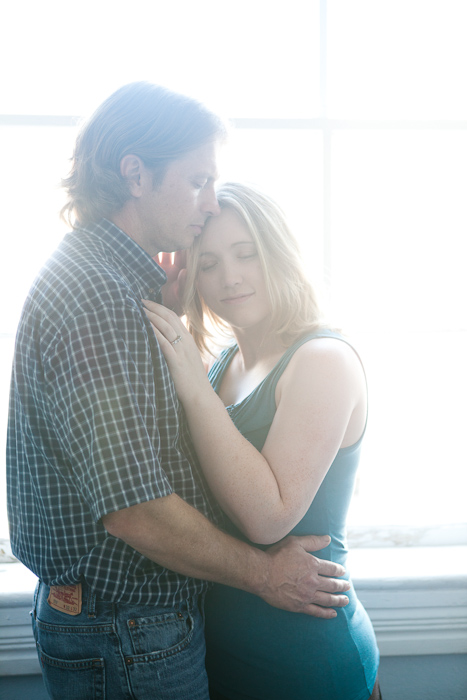

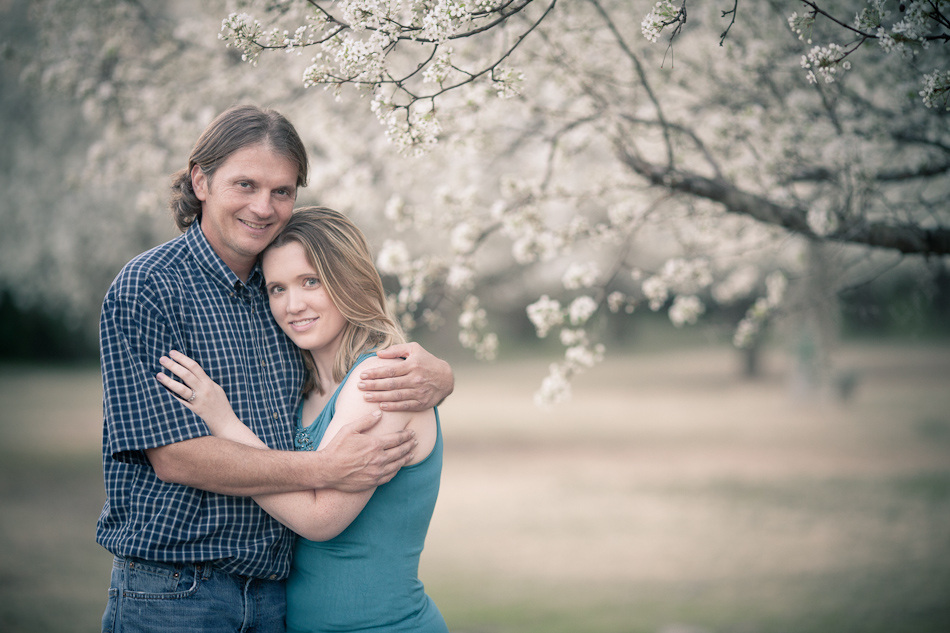
We love these guys and had a ton of fun at their wedding, but for now you’ll have to settle with this engagement-y taste. More to come next week!

